Golden Croissant with Sourdough Twist
Highlighted under: Old-Fashioned Comfort Eats
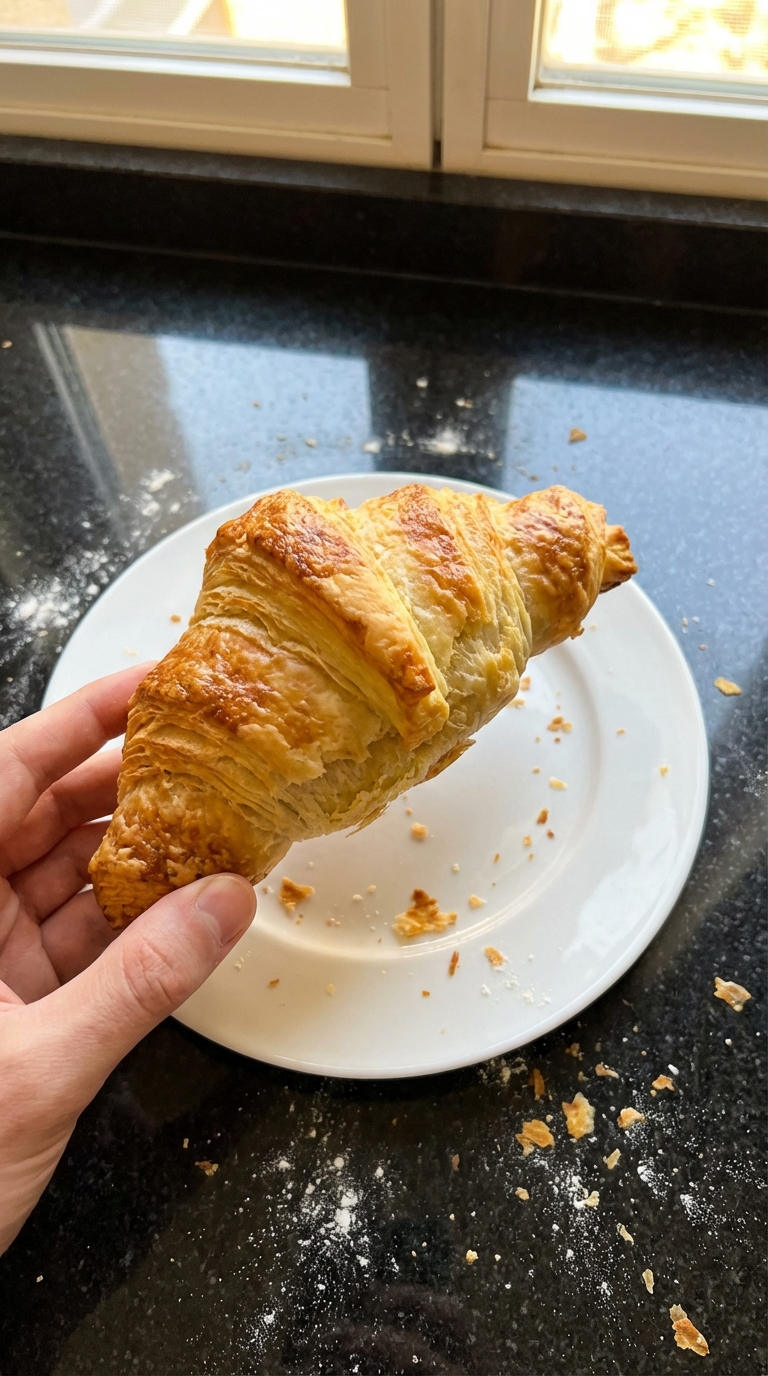
When I first tried making croissants at home, the idea of using sourdough seemed both adventurous and daunting. After some trial and error, I've discovered that the tangy flavor of sourdough really elevates the classic buttery croissant. The flaky layers are perfectly crunchy on the outside, while the sourdough adds a unique twist that makes the inside wonderfully chewy. It’s a delightful way to enjoy a familiar pastry with a new depth of flavor, perfect for breakfast or an indulgent snack.

Making these Golden Croissants with a Sourdough Twist was one of the most rewarding experiences in my baking journey. I combined my love for sourdough bread with the delicate art of croissant-making, and the result was simply divine. The interplay between the flaky, buttery layers and the subtle tang of sourdough creates a unique flavor profile that kept everyone asking for more.
One valuable detail I learned is the importance of cold resting the dough. Allowing the dough to chill between folds reduces the risk of the butter melting, which helps achieve those beautiful, airy layers. After experimenting with different timings, I found that resting for at least 30 minutes produces the best texture!
What You'll Love About This Recipe
- The unique sourdough flavor that enhances the classic croissant experience
- Perfectly flaky layers that create a delightful texture
- An impressive treat that's perfect for brunch or special occasions
Understanding Sourdough's Role
In this recipe, the active sourdough starter contributes not only to the fermentation process but also to the flavor profile of the croissant. The tangy notes from the sourdough create an interesting balance with the rich buttery layers, elevating the classic croissant experience. Make sure your sourdough starter is bubbly and active; it should be fed about 4-6 hours before you start the recipe to ensure a robust rise and that distinctive sour flavor.
Using a combination of all-purpose flour and sourdough carefully hugs the butter, creating layered aeration during baking. This technique helps result in a crispy exterior and a chewy interior, which is characteristic of a successful croissant. The gluten development facilitated by the flour and the fermentation from the sourdough helps achieve those desirable flaky layers that we all love.
Perfecting the Lamination Technique
Laminating the dough properly is crucial for creating those coveted layers in your croissants. When rolling out the dough, try to maintain an even thickness to ensure uniformity in the final product. Ideally, your rolled-out dough should be about 1/4 inch thick—this helps trap the butter during the folding process so that it creates steam as it melts, resulting in flaky layers.
As you fold the dough, make sure to seal the edges well to prevent butter from leaking out during baking, which could lead to greasy pastries. If this happens, your layers may not rise as properly. If your dough becomes overly soft and difficult to handle because of the warmth from your hands, pop it in the fridge for a short 10-minute chill before continuing.
Storing and Serving Suggestions
If you have leftover croissants, they can be stored in an airtight container at room temperature for up to two days. For longer storage, consider freezing them after they have cooled completely. Wrap each croissant in plastic wrap and place them in a freezer bag; they’ll retain their quality for about a month. When ready to enjoy, simply reheat in a preheated oven at 350°F (175°C) for about 10-15 minutes until warmed through.
These golden croissants make a perfect breakfast paired with a side of fruit or a drizzle of honey. You can also turn them into a delightful sandwich by slicing them open and adding savory fillings like ham and cheese or eggs and avocado. Experimenting with sweet or savory elements can offer endless possibilities for enjoying this unique take on a classic pastry.
Ingredients
Gather your ingredients to get started on these delightful croissants.
For the Dough
- 500g all-purpose flour
- 250ml water, lukewarm
- 100g sourdough starter, active and bubbly
- 60g sugar
- 10g salt
- 25g unsalted butter, softened
For the Butter Layer
- 250g unsalted butter, cold and cubed
For Egg Wash
- 1 egg, beaten
- 1 tablespoon water
Once you have all the ingredients ready, you're all set to start creating delicious croissants!
Instructions
Follow these steps to make your Golden Croissants with Sourdough Twist.
Make the Dough
In a large mixing bowl, combine the lukewarm water and sourdough starter. Stir in the flour, sugar, salt, and softened butter. Mix until a shaggy dough forms. Knead for about 10 minutes until smooth. Let it rest in a greased bowl, covered, for 2 hours or until it has doubled in size.
Incorporate the Butter
On a floured surface, roll out the dough into a large rectangle. Place the cold, cubed butter in the center and fold the dough over the butter. Roll out the dough again into a rectangle, then fold it into thirds like a letter to create layers. Wrap in plastic wrap and chill for 30 minutes.
Create the Layers
Repeat the rolling and folding process 3 more times, chilling the dough for 30 minutes between each fold. After the final fold, let it rest for another 30 minutes in the fridge.
Shape the Croissants
Preheat your oven to 400°F (200°C). Roll out the dough into a large rectangle and cut it into triangles. Start at the base of each triangle and roll them up towards the tip. Place on a baking sheet lined with parchment paper.
Final Rise and Bake
Cover the croissants with a kitchen towel and let them rise for about an hour. Brush with the egg wash and bake in the preheated oven for 20-25 minutes until golden brown and flaky. Let cool slightly before serving.
Enjoy your warm croissants straight out of the oven or save them for later!
Pro Tips
- For best results, ensure that all ingredients are at the right temperature and handle the dough as little as possible to maintain the dough's cold state.
Troubleshooting Common Issues
One common issue you may encounter is dough that doesn’t rise sufficiently. This could be due to an inactive sourdough starter. Always check that your starter is bubbly and has doubled in size after feeding before using it. If your dough feels dense, consider adding a little more warm water during mixing, which can help facilitate the development of gluten.
Another potential problem is butter leakage during baking, which can lead to greasy croissants. Ensure your dough is sealed tightly around the butter when you fold it. If you find the butter has begun to melt into the dough during lamination, it’s a good sign that your dough has warmed up too much. Chill the dough more frequently to keep the butter solid while you work.
Scaling the Recipe
If you're planning to serve a larger group, scaling up this recipe is quite feasible. Each croissant requires about 70 grams of dough, so for more servings, simply multiply the ingredient quantities. However, it's important to note that handling larger batches can be more challenging, especially during the lamination process. You might want to divide the dough into smaller portions to keep it manageable.
Similarly, if you’d like to make smaller croissants for bite-sized treats, you can divide the triangles into smaller shapes. Just remember that the baking time may need to be adjusted to 15-20 minutes depending on the size. Keep an eye on your pastries as they bake, looking for that golden brown exterior as a visual cue for doneness.
Flavor Variations
While this recipe highlights the classic croissant flavors, feel free to experiment with fillings. Adding a layer of chocolate inside the croissant before rolling can introduce a decadent touch. Alternatively, you can sprinkle finely chopped nuts between the layers for added texture and flavor.
Herbs, spices, or even cheese can be integrated into the dough to create unique variations. Try mixing in a teaspoon of rosemary or a handful of grated parmesan to the dough for a savory approach. Remember to adapt baking times slightly as these additions can alter moisture content and cooking dynamics.
Questions About Recipes
→ Can I use active dry yeast instead of sourdough starter?
Yes, you can substitute sourdough starter with about 7g of active dry yeast, but the flavor will differ.
→ How do I store leftover croissants?
Store them in an airtight container at room temperature for up to 2 days. For longer storage, freeze them and reheat in the oven when ready to eat.
→ Is it necessary to chill the butter?
Yes, using cold butter is crucial for achieving flaky layers in the croissants.
→ Can I add fillings to these croissants?
Absolutely! You can add chocolate, almond paste, or jam when rolling them up.
Golden Croissant with Sourdough Twist
Created by: The Globalbitesrecipes Team
Recipe Type: Old-Fashioned Comfort Eats
Skill Level: Intermediate
Final Quantity: 12 croissants
What You'll Need
For the Dough
- 500g all-purpose flour
- 250ml water, lukewarm
- 100g sourdough starter, active and bubbly
- 60g sugar
- 10g salt
- 25g unsalted butter, softened
For the Butter Layer
- 250g unsalted butter, cold and cubed
For Egg Wash
- 1 egg, beaten
- 1 tablespoon water
How-To Steps
In a large mixing bowl, combine the lukewarm water and sourdough starter. Stir in the flour, sugar, salt, and softened butter. Mix until a shaggy dough forms. Knead for about 10 minutes until smooth. Let it rest in a greased bowl, covered, for 2 hours or until it has doubled in size.
On a floured surface, roll out the dough into a large rectangle. Place the cold, cubed butter in the center and fold the dough over the butter. Roll out the dough again into a rectangle, then fold it into thirds like a letter to create layers. Wrap in plastic wrap and chill for 30 minutes.
Repeat the rolling and folding process 3 more times, chilling the dough for 30 minutes between each fold. After the final fold, let it rest for another 30 minutes in the fridge.
Preheat your oven to 400°F (200°C). Roll out the dough into a large rectangle and cut it into triangles. Start at the base of each triangle and roll them up towards the tip. Place on a baking sheet lined with parchment paper.
Cover the croissants with a kitchen towel and let them rise for about an hour. Brush with the egg wash and bake in the preheated oven for 20-25 minutes until golden brown and flaky. Let cool slightly before serving.
Extra Tips
- For best results, ensure that all ingredients are at the right temperature and handle the dough as little as possible to maintain the dough's cold state.
Nutritional Breakdown (Per Serving)
- Calories: 350 kcal
- Total Fat: 23g
- Saturated Fat: 15g
- Cholesterol: 60mg
- Sodium: 220mg
- Total Carbohydrates: 34g
- Dietary Fiber: 2g
- Sugars: 5g
- Protein: 7g